

Chevrolet Recommended Service Schedule Explained

Author: West Herr Chevrolet of Hamburg
Why Should You Follow a Maintenance Schedule for Your Chevrolet?
Following a maintenance schedule is crucial for protecting your investment in your Chevrolet and ensuring it remains reliable in the unique driving conditions of Hamburg and nearby areas. The local climate can be demanding; the summer heat and humidity can degrade fluids, while spring pollen can clog air filters, affecting your vehicle’s efficiency. Regularly scheduled maintenance helps address these local challenges, keeping your vehicle in optimal condition.
Adhering to your vehicle’s maintenance schedule directly impacts performance, safety, and fuel efficiency. For instance, if you frequently drive along the New York State Thruway (I-90) or navigate the traffic on US Route 62, a well-maintained Chevrolet is better equipped to handle these scenarios smoothly. It’s not just about avoiding breakdowns; it’s about ensuring your vehicle operates as intended, granting you peace of mind for every trip, whether it’s a quick drive to Woodlawn Beach or your daily commute to Buffalo. For more insights on vehicle care, resources like Edmunds offer a wealth of information.
How Does Chevrolet’s Service Reminder System Work?
Many Chevrolet vehicles are equipped to notify you when routine maintenance is approaching. Depending on the specific model and year, this reminder can take the form of a straightforward time or mileage counter, or it might adjust based on how the vehicle is being used. This means your vehicle is designed to help you stay on top of necessary service, ensuring it runs smoothly for your daily drives around Hamburg and beyond.
When it’s time for maintenance, you’ll typically see a message on your dashboard, an indicator light (like a wrench), a maintenance reminder, or an oil-life percentage display. Since the specifics can vary between models and trims, it’s essential to consult your owner’s manual for detailed information. Local driving conditions, such as frequent short trips along Lake Erie or stop-and-go traffic on U.S. Route 62, can influence how often maintenance is required, though your vehicle doesn’t always measure these factors directly.
What Does the Primary Service Reminder Mean?
After understanding how service reminders work in general, the next step is knowing what the primary reminder is conveying. In most vehicles, it serves as a high-level alert that scheduled maintenance is due or approaching. Depending on the Chevrolet model, this reminder might appear as a simple message or indicator, while others may offer more context through a maintenance menu or settings screen. Since the exact interpretation can vary by model and year, the best references for what’s due are the owner’s manual and the in-vehicle maintenance information.
Primary reminder: A general signal prompting you to check your vehicle’s scheduled maintenance guidance and plan for service. It typically indicates that some form of maintenance is due, without always specifying every item on its own.
Additional details (if shown): Some vehicles may present extra information—such as a maintenance screen, percentage, descriptive message, or symbols—that further clarifies what requires attention. If your vehicle includes these details, use them in conjunction with the owner’s manual to confirm the recommended service.
What Do Additional Service Indicators Mean?
Many vehicles, including those from Chevrolet, offer extra information beyond the primary service reminder. This can come in various forms such as additional items, symbols, or menu entries, helping you identify what specific services may be needed. However, the exact details can vary from one vehicle to another. Always refer to your owner’s manual or the vehicle display for clarification.
- Tire rotation: Regular tire rotation helps ensure even wear and consistent handling. If you’re driving around Hamburg with frequent short trips or stop-and-go traffic, your tires may wear out faster than in constant highway driving.
- Engine and cabin air filters: These filters play a key role in maintaining airflow to the engine and ensuring good air quality inside the cabin. Local conditions like dust and pollen, especially in spring, can lead to quicker clogging of these filters.
- Transmission fluid: Some vehicles recommend checking or changing transmission fluid as part of long-term maintenance. Frequent short drives or hilly terrain, common around Hamburg, can increase heat and stress on the transmission.
- Spark plugs and valve clearance check (when applicable): Certain engines require spark plugs to be replaced periodically, and some may also need a valve clearance inspection. These are usually associated with higher-mileage service intervals.
- Engine coolant: Proper coolant levels help keep the engine at the right temperature. Hot weather or heavy towing can put extra demands on your cooling system, which is important for maintaining performance.
- Rear differential fluid (AWD/4WD, if equipped): For vehicles with all-wheel drive or four-wheel drive, maintaining the differential fluid is crucial. Driving in wet conditions or on rough terrain can increase the need for checks and changes.
- Brake fluid: Over time, brake fluid can absorb moisture, which might affect braking efficiency. If your vehicle lists brake fluid service, it’s important to follow the recommended intervals based on your driving habits.
What is a Typical Chevrolet Service Schedule for Hamburg Drivers?
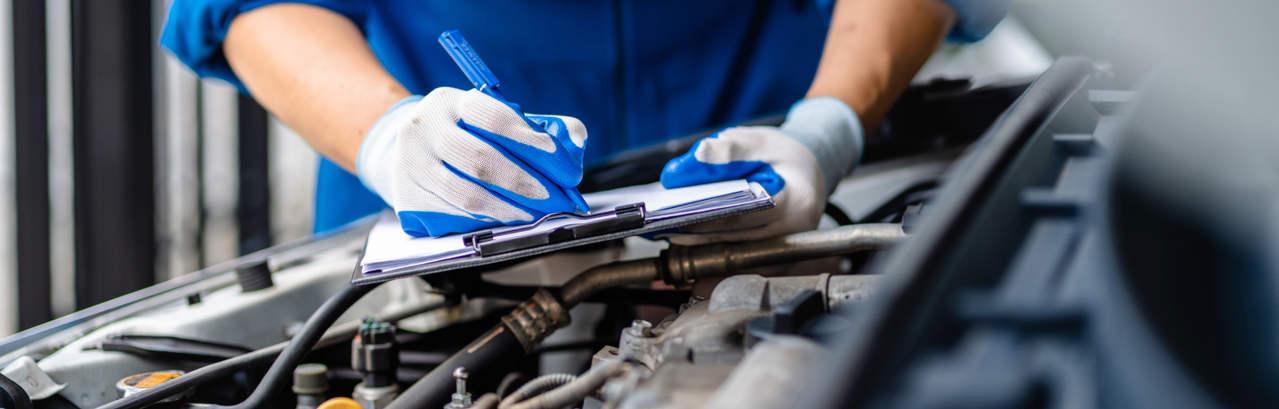
Even with the convenience of modern service reminders and maintenance menus, having a general understanding of typical maintenance timelines can help you plan ahead. This overview serves as a useful reference to complement your owner’s manual and in-vehicle service reminders.
What Services Are Needed in the First 30,000 Miles?
During the initial 30,000 miles of ownership, drivers typically focus on essential maintenance tasks like oil changes, tire rotations, and filter replacements. The timing for these services can vary based on your specific Chevrolet model, driving habits, and guidance from the owner’s manual.
Oil service: Chevrolet vehicles equipped with the Engine Oil Life System can go significantly longer than 3,000 miles between oil changes. However, the oil and filter must be changed at least once a year. Under lighter driving conditions, many models may not require service for more than a year.
Tires and filters: Tire rotations are recommended every 7,500 miles to promote even tire wear. Engine air filters are typically due for replacement somewhere around 12,000–15,000 miles, and cabin air filters should be inspected and likely replaced after about two years or around 22,500–24,000 miles, depending on environmental conditions.
What Maintenance Should Be Done Between 30,000 and 60,000 Miles?
As your Chevrolet approaches the 30,000 to 60,000-mile mark, maintenance becomes increasingly focused on fluid services and thorough inspections to safeguard key systems. The specific services needed can vary based on your model, powertrain, and your driving habits, especially in the stop-and-go traffic or highway conditions around Hamburg and Buffalo. Always refer to your owner’s manual for the most accurate guidance.
Transmission fluid: Regular transmission fluid service is often recommended within this mileage range, particularly if your driving includes frequent short trips or towing. These conditions can accelerate fluid breakdown, so keeping it in good condition is crucial for smooth shifting and the longevity of your transmission, especially on local roads like McKinley Parkway and South Park Avenue (US 62).
Brake fluid, brakes, and tires: It’s also advisable to check brake fluid on a time-based schedule, often every few years, as it can degrade even if mileage is low. During this interval, be sure to conduct more frequent inspections of brakes and tires, critical for safe handling and stopping. This is especially important as you navigate the diverse driving conditions around Hamburg, from rainy days to winter snow. If you’re looking for reliable insights on vehicle ratings and owner experiences, consider checking Consumer Reports.
What Major Services are Required Approaching 100,000 Miles?
As your Chevrolet approaches the 100,000-mile mark, it’s common to think about a few key maintenance services that can enhance its longevity and reliability. However, the specific timing for these services can vary based on your model and engine type, so it’s always best to consult your owner’s manual for precise details.
Spark plugs: Many Chevrolet models, like the Silverado 1500 and Equinox, typically recommend spark plug replacement in this mileage range. Fresh spark plugs contribute to better fuel efficiency, smoother engine performance, and reliable starting, which is especially important when dealing with the variable weather conditions around Hamburg.
Timing belt (if equipped) and coolant service: Some older Chevrolet engines may have a timing belt that requires periodic replacement, while many modern engines utilize timing chains that generally do not have a set replacement interval. Additionally, a coolant service, which involves flushing and replacing the coolant, is often advised to protect your vehicle’s cooling system from corrosion and overheating. Staying on top of these maintenance tasks not only supports your vehicle’s performance but also helps maintain its resale value—check Kelley Blue Book for insights on how regular upkeep can influence long-term vehicle value.
Why is Local Expertise Important for Servicing Your Chevrolet?
Having a service team that understands the local climate, road conditions, and driving habits is invaluable for your Chevrolet. In Hamburg, we experience significant seasonal changes, including heavy lake-effect snow in winter and humid summers. This means your vehicle’s systems, from the A/C to the brake components, face unique challenges. Our technicians are skilled at identifying region-specific wear and tear, such as the effects of pollen on air filters or how clay in the soil can affect tires and alignment. For example, if you’re commuting along U.S. Route 62 or navigating the traffic patterns near the Erie County Fairgrounds, our team knows exactly what to look for to keep your vehicle running smoothly.
To ensure your Chevrolet performs reliably, our technicians closely monitor these local factors. They understand how the weather can impact your vehicle’s performance and are trained to address issues proactively. For further information on vehicle safety and maintenance, you can consult the National Highway Traffic Safety Administration (NHTSA) and other OEM-owner resources for detailed guidance.
Frequently Asked Questions (FAQs)
How often should I really change my oil in Hamburg’s climate?
Your vehicle’s service reminder or owner’s manual provides the best guidance, as intervals can vary based on driving habits and conditions. In Hamburg, with its cold winters and warm summers, oil changes are generally recommended based on your driving conditions and oil type.
Are all-season tires enough for the Hamburg area?
For most of the year, high-quality all-season tires are suitable for driving in Hamburg, providing adequate traction for both rain and the occasional light snow. However, during particularly harsh winter months, consider winter tires for better grip in lake-effect snow.
Does commuting on local highways affect my service intervals?
Yes, commuting on the New York State Thruway (I-90) or local roads with heavy traffic can increase wear on your vehicle. If you frequently navigate stop-and-go conditions, your service reminders may suggest more frequent maintenance.
How often should I change my cabin air filter, especially with the pollen in spring?
It’s advisable to inspect your cabin air filter at least once a year, particularly after the spring pollen season in Hamburg.
Is AWD worth it for driving in Hamburg?
For many drivers in Hamburg, having a Chevrolet with all-wheel drive (AWD) is beneficial, especially during heavy snowfall or rain. AWD enhances stability and traction, making it easier to navigate local roads during winter storms.
My Chevrolet doesn’t have a service reminder system. What schedule should I follow?
If your vehicle lacks a service reminder, a good rule of thumb is to follow the guidance in your owner’s manual for oil changes and other essential maintenance items.
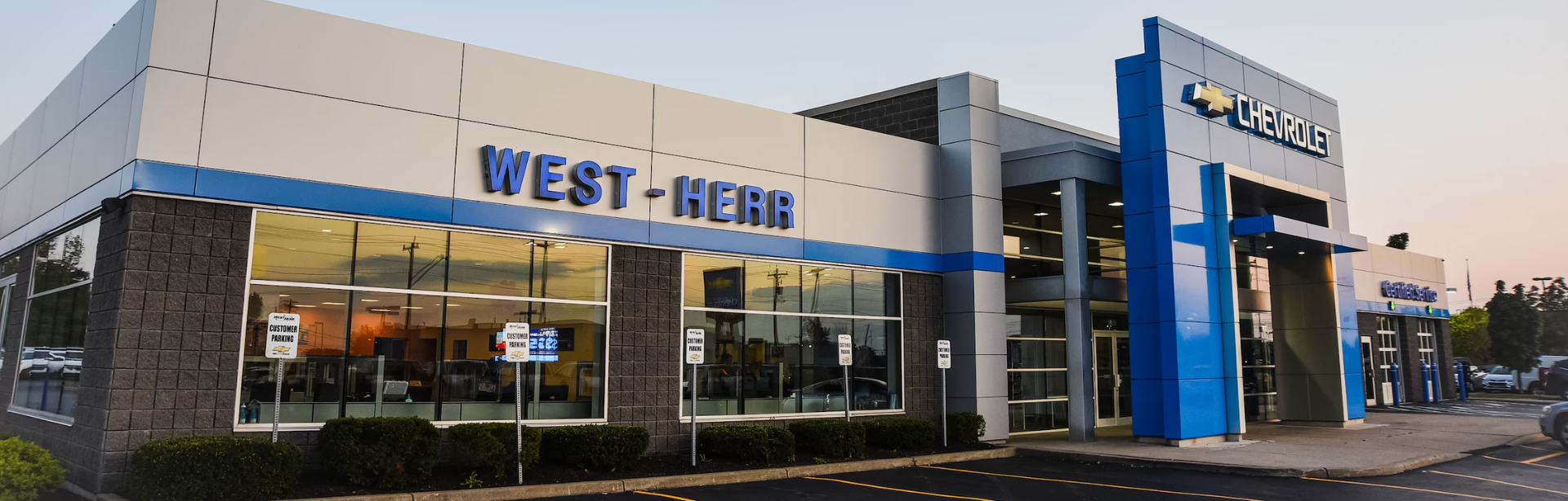
About West Herr Chevrolet of Hamburgg
Founded on principles of integrity and a deep commitment to the community, West Herr Chevrolet of Hamburg proudly serves the Southtowns with a customer-first approach. As part of a respected automotive group with a long history in Western New York, we are dedicated to building lasting relationships based on trust and transparency. We are honored to deliver exceptional Chevrolet sales and service experiences to our neighbors in Hamburg, Buffalo, Orchard Park, and the surrounding communities
Related Articles:
Hamburg, NY Guide to a Superior Chevrolet Dealership Experience

0 comment(s) so far on Chevrolet Recommended Service Schedule Explained